Dog Found Frozen In A Snow Hole Finally Gets Help And His Story Breaks Hearts
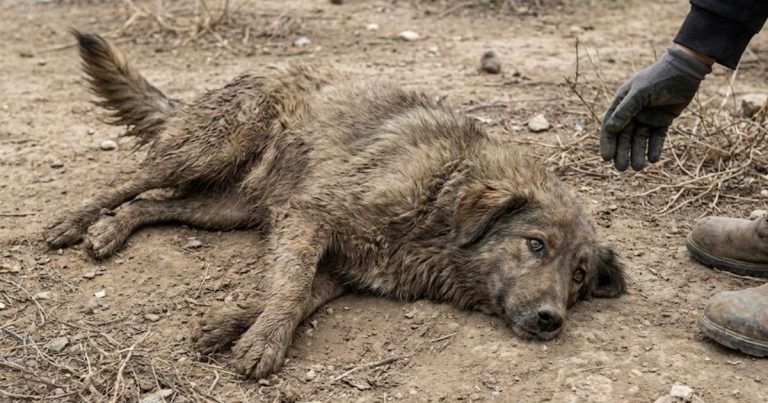
Mishka was around seven or eight years old when someone finally noticed him. He was lying in a deep hole filled with snow, unable to pull himself out, his body tired and worn down after years on the streets. When the rescuer first looked into his eyes, that moment stayed with her long after. His…
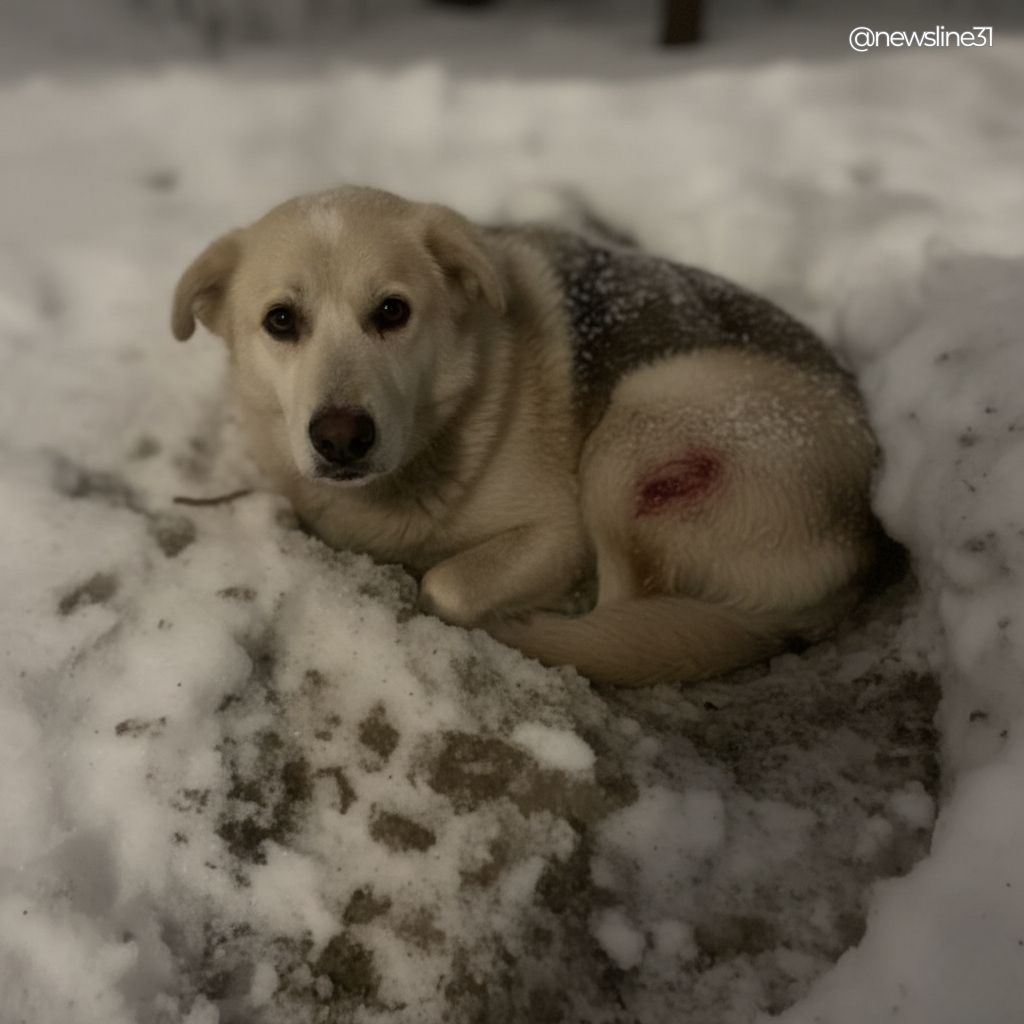
Mishka was around seven or eight years old when someone finally noticed him. He was lying in a deep hole filled with snow, unable to pull himself out, his body tired and worn down after years on the streets.
When the rescuer first looked into his eyes, that moment stayed with her long after. His gaze held sadness and deep exhaustion, as if he had reached the point where giving up felt easier than hoping.
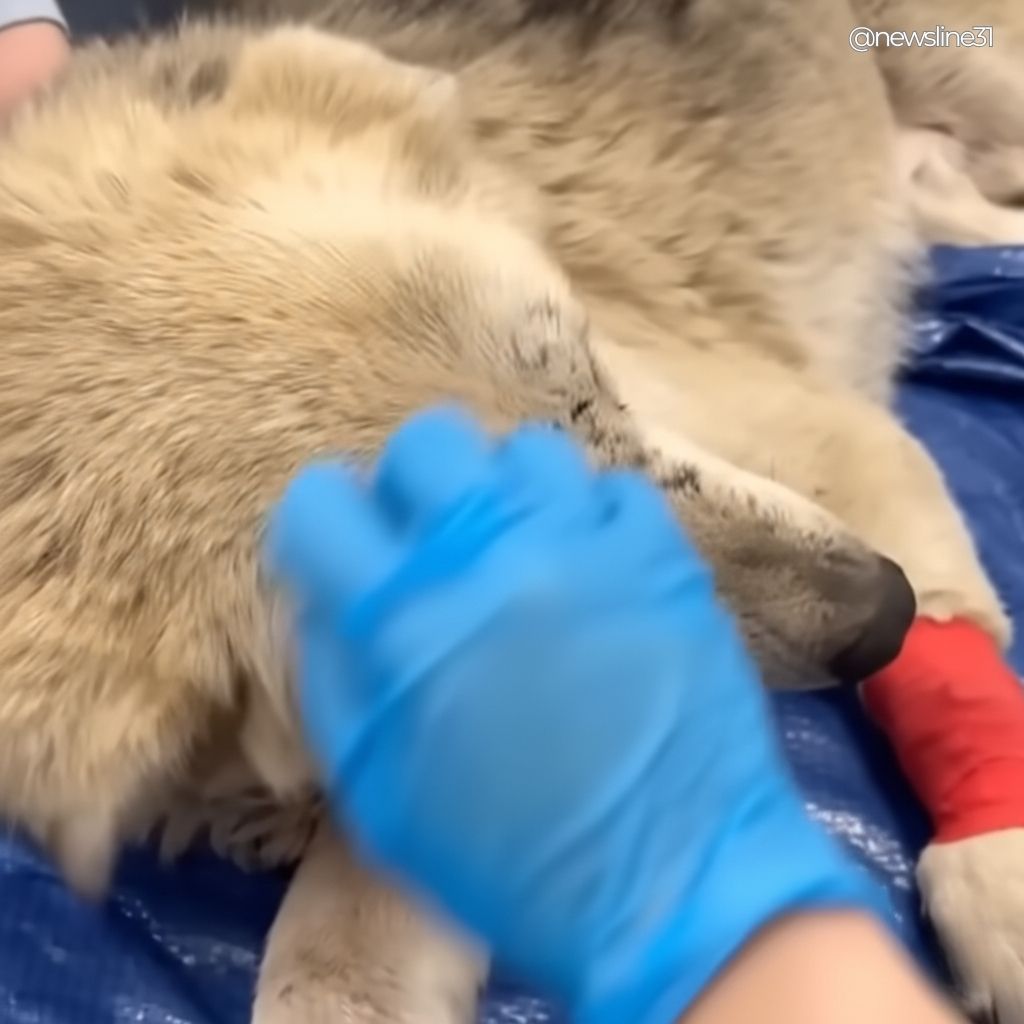
Those same eyes followed him to the veterinary clinic. Even in the warmth and safety of the room, Mishka did not relax. He watched quietly, carrying a heavy fear that had clearly been with him for a long time.
Everyone could see it. This was not just a dog in pain. This was a dog who had learned not to expect kindness.
The reason soon became clear. X-rays showed a bullet lodged in Mishka’s spine. That single image explained why he could not move his back legs and why he had been trapped in the snow.
It was hard to understand how a gentle, harmless stray could have been hurt so badly, or how long he had lived with that pain alone.
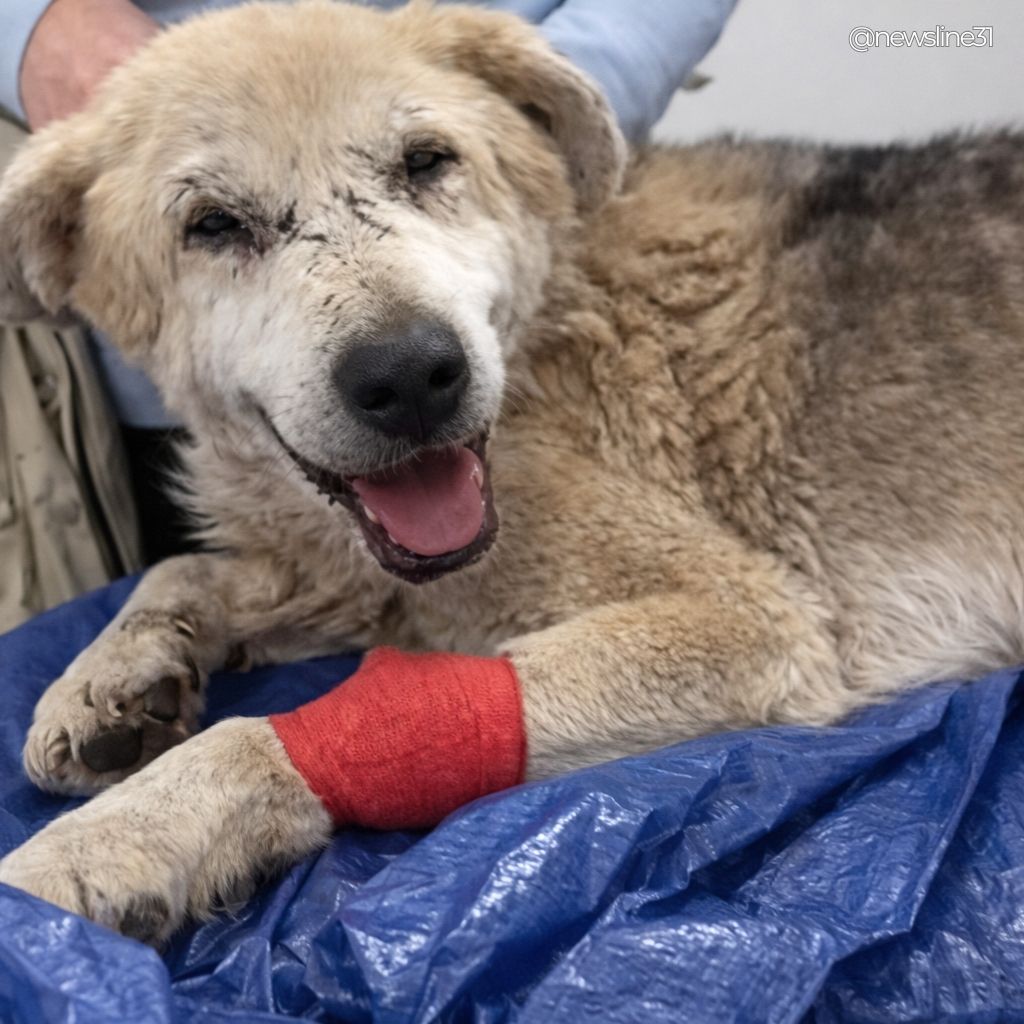
The doctors said there was still hope, even if the path forward would not be easy. After careful discussion, they decided surgery would not help and could even make things worse.
Instead, Mishka was sent to a rehabilitation center, where the goal was simple but important: reduce his pain, protect his muscles, and give his body a chance to heal in its own time.
Rehabilitation started slowly. Gentle exercises filled his days, helping prevent his muscles from weakening further. By the third day, Mishka was already trying harder, staying in training longer than expected.
With support, he was lifted so he could learn how it felt to place his paws on the ground again. Each session took a lot out of him, but he never refused to try.
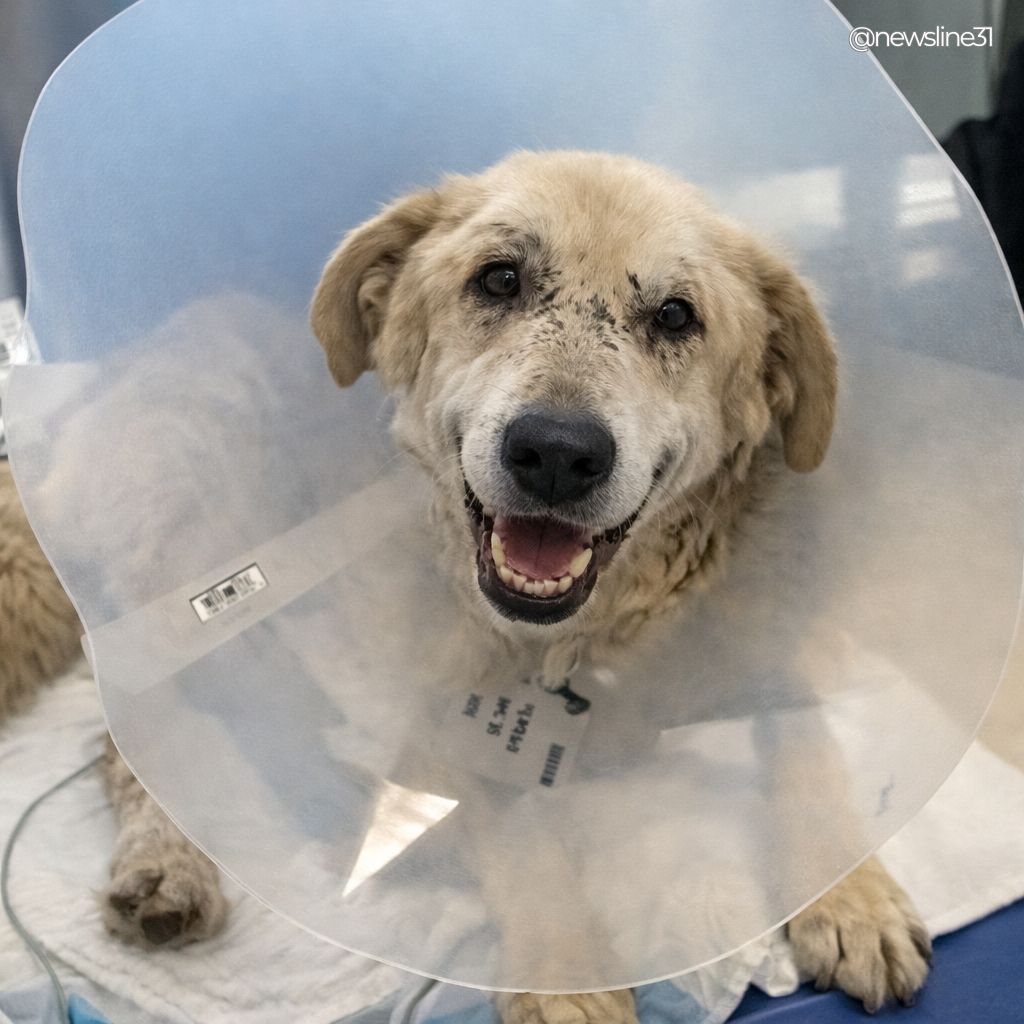
Still, something was missing. His body was working, but his face remained sad. The team noticed this and adjusted his therapy, adding ball training to bring some joy into his routine. They hoped that play might reach him in a way exercises could not.
Those sessions were difficult. Mishka often finished completely exhausted, lying down as soon as they ended. And even after all that effort, his back legs showed no clear movement. The results were uncertain, and no one could say what the future would bring. But no one walked away.
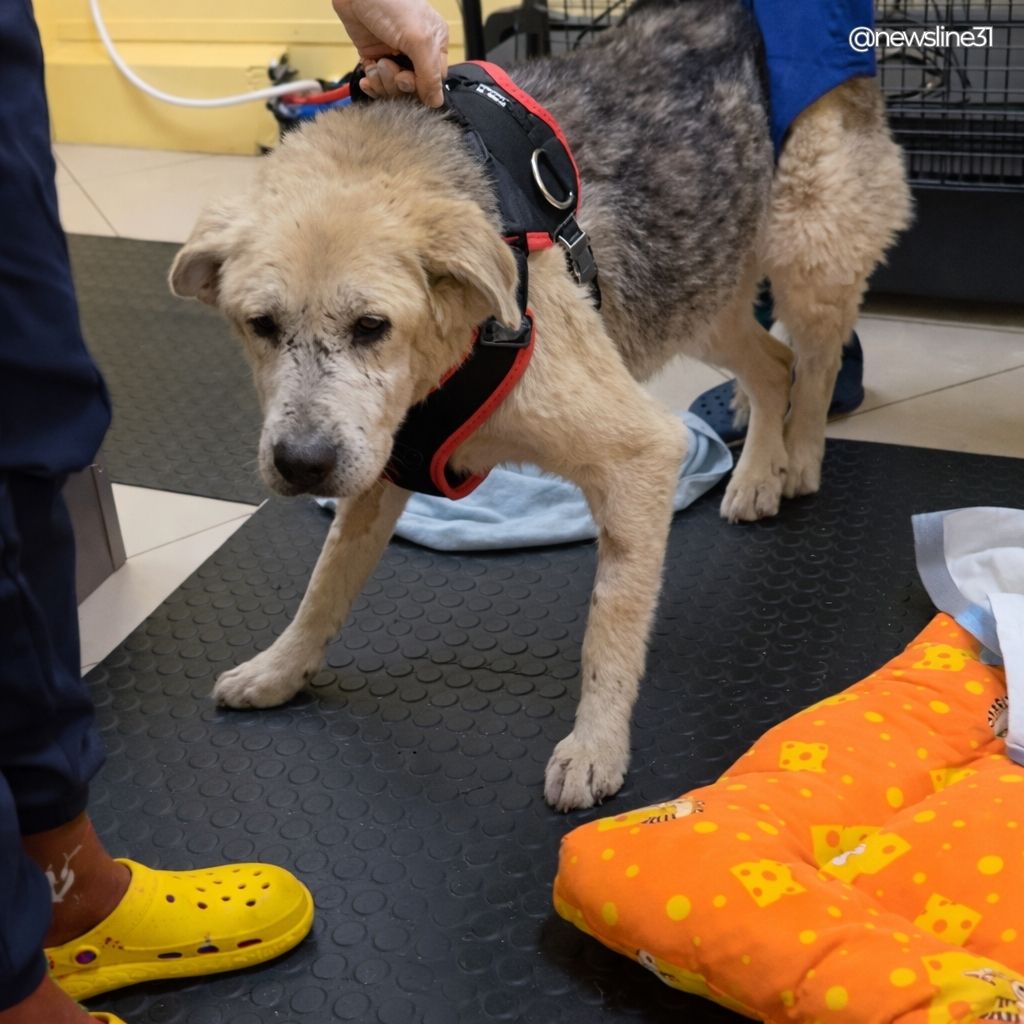
Mishka’s journey shows that healing does not always come quickly or clearly. Sometimes progress is quiet, and sometimes it is not visible at all. What matters most is choosing to continue, even when the outcome is unsure.
Not every animal needs a big rescue moment. Many just need patience, time, and someone willing to care in small ways. Sharing a story like Mishka’s, supporting a local shelter, offering kindness to a shy or fearful animal, or simply choosing not to ignore them can make a real difference.
Mishka’s story does not end with a clear answer, and that is okay. He is no longer alone in the snow or invisible to the world. He is warm, safe, and surrounded by people who believe his life matters, no matter how long healing takes.
Mishka reminds us that change does not always begin with something big. Sometimes it starts with a pause, a second look, or a quiet decision to stay.
And for many animals still waiting out there, that small choice can mean everything.